

Healing After Trauma

Trauma shaped how you survived. It does not get to decide how you live.


trauma informed counseling
Certain experiences don’t simply fade with time. You may notice heightened reactions, intrusive memories, emotional numbness, or a constant sense of alertness that feels hard to turn off. Even when life looks stable on the outside, your body and mind may still respond as if the threat is current.
This work begins with building emotional regulation and a sense of safety before moving into deeper processing. We identify how trauma has shaped beliefs, relationships, and stress responses, and then gradually work to reduce its intensity and influence. The goal is integration — allowing your experiences to be part of your story without continuing to control it.

ACCELERATED RESOLUTION THERAPY
Accelerated Resolution Therapy (ART) is a structured, trauma-informed approach designed to help process PTSD, trauma, and distressing memories that continue to affect daily life.
ART works by helping your brain reprocess difficult experiences in a way that feels contained, guided, and intentional. The goal is not to relive every detail, but to reduce the emotional charge connected to the memory.
Many people notice that memories begin to feel less intense, less intrusive, and easier to think about with greater clarity and relief. Triggers often lose their intensity, and responses feel more within your control.
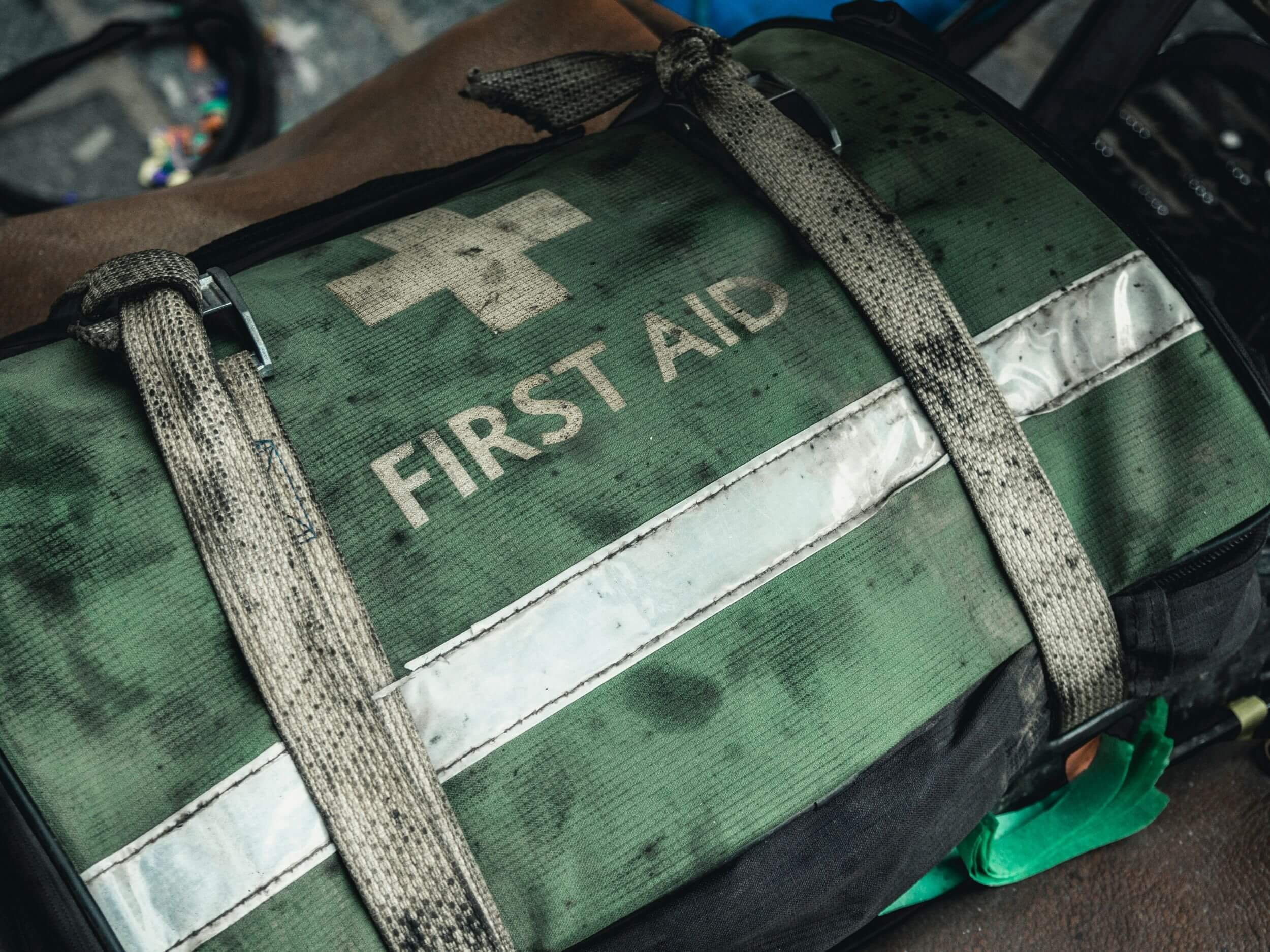
first responders & high stress careers
High-responsibility roles demand composure, strength, and quick decision-making. Over time, repeated exposure to crisis, trauma, and chronic stress can take a toll — even for the most capable professionals. You may notice irritability, emotional numbness, sleep disruption, difficulty connecting at home, or a sense that you’re always “on.” When the pressure follows you outside of work, additional support can help.
We focus on reducing stress reactions, addressing trauma exposure, strengthening emotional regulation, and helping you reconnect with the parts of yourself that exist outside of the job. As stress responses decrease and insight increases, many professionals begin to feel more grounded and present — both at work and at home.
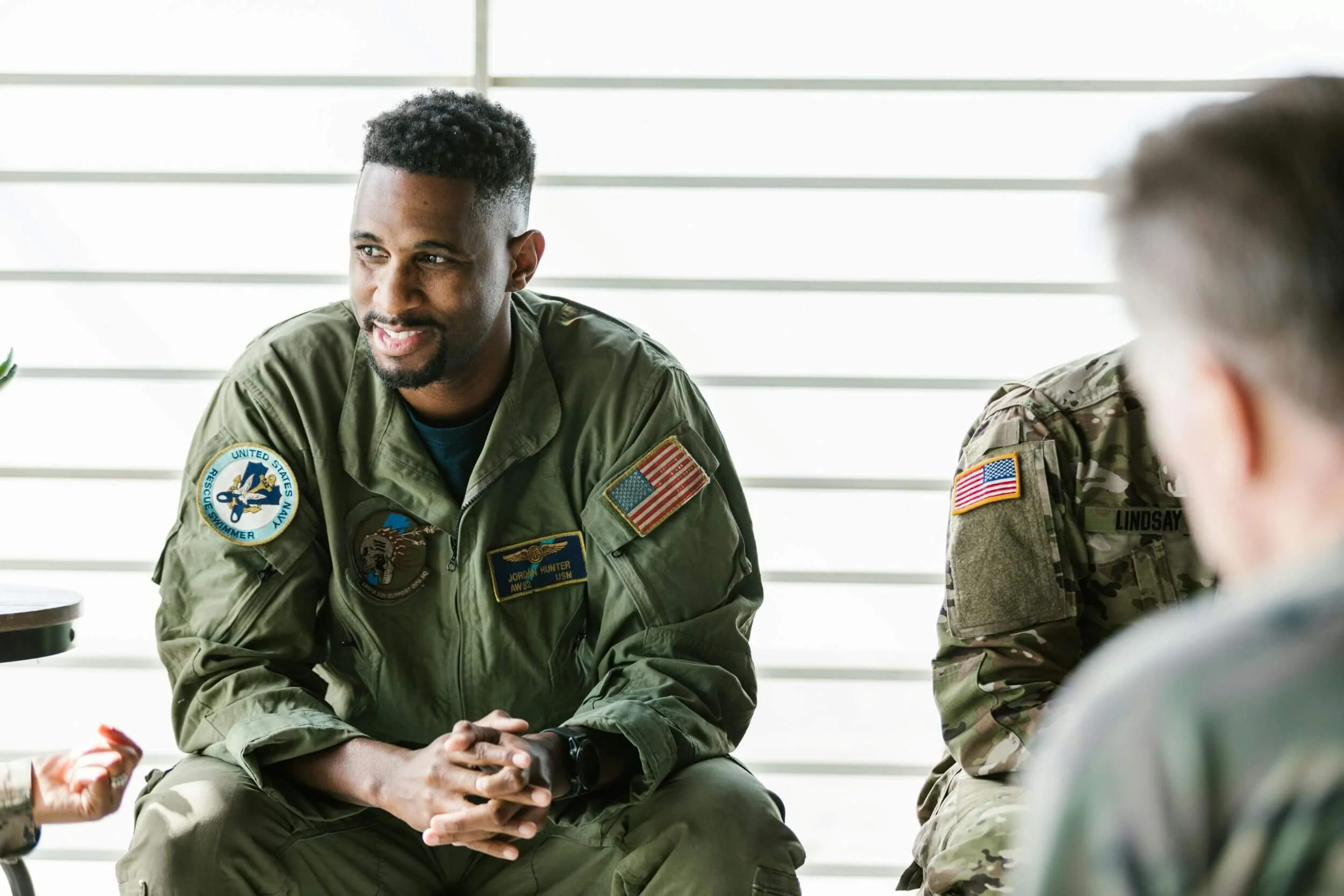
veterans
Military service requires strength, vigilance, and sacrifice. For many veterans, the transition back to civilian life — or the cumulative weight of service experiences — can bring unexpected challenges. You may notice hypervigilance, sleep disruption, irritability, difficulty reconnecting in relationships, or memories that feel hard to put away. Even years later, certain experiences can continue to influence how you respond to stress, trust others, or feel at ease.
We focus on reducing trauma-related symptoms, improving emotional regulation, rebuilding connection in relationships, and helping you regain a sense of steadiness in everyday life.